
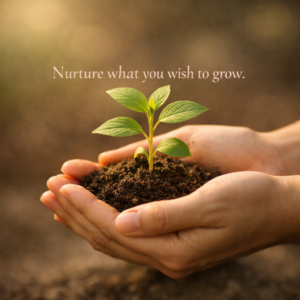
N for Nurturing — The Gentle Art of Caring Deeply
In a fast-moving world that values productivity and visible success, nurturing is often overlooked. It does not demand attention, nor does it seek recognition. Yet, it remains one of the most powerful forces shaping our lives. Nurturing is the act of caring deeply and consistently—for people, relationships, and even your own emotional well-being. It is not limited to grand gestures. Instead, it reveals itself through small, thoughtful actions repeated over time.



Why Nurturing Matters in Everyday Life
Nurturing forms the foundation of meaningful relationships and personal growth. Without it, even the strongest bonds begin to weaken. When you nurture something, you invest time, attention, and emotional energy into its growth. This applies not only to relationships but also to your inner world. What you choose to nurture ultimately shapes your life. If you nurture negativity, it expands. If you nurture kindness, patience, and understanding, they begin to flourish.
Nurturing Is Strength, Not Weakness
There is a common misconception that nurturing is a soft or passive trait. In reality, it requires strength, patience, and emotional resilience. To nurture someone means showing up for them consistently, even when it is inconvenient. It involves listening without judgment, supporting without expectation, and caring without the need for immediate return. This quiet strength often goes unnoticed, but it plays a crucial role in building trust and stability in relationships.
The Importance of Self-Nurturing
While many people are quick to nurture others, they often overlook their own needs. Over time, this imbalance can lead to emotional exhaustion. Self-nurturing is not selfish; it is essential. It involves recognising your limits, allowing yourself to rest, and treating yourself with the same kindness that you offer to others. Simple practices such as taking time to relax, maintaining healthy boundaries, and engaging in activities that bring you joy can significantly improve your emotional well-being.
Simple Ways to Nurture Daily Life
Nurturing does not require dramatic changes. It can be incorporated into everyday routines through small, meaningful actions:
- Taking the time to listen attentively to loved ones
- Expressing appreciation and gratitude regularly
- Offering support during difficult moments
- Creating a calm and positive environment at home
- Allowing yourself time to rest and recharge
These simple habits gradually strengthen relationships and create a sense of emotional security.
The Long-Term Impact of Nurturing
The effects of nurturing are not always immediate, but they are lasting. Relationships that are nurtured with care tend to grow stronger over time. Similarly, individuals who practice self-nurturing often experience greater emotional balance and resilience. In contrast, neglecting important relationships or personal well-being can lead to disconnection and dissatisfaction. Nurturing, therefore, is not just an act—it is a long-term investment in a more fulfilling and balanced life.
Nurturing is about caring with intention and consistency. It is reflected in the way you treat others and in how you treat yourself. In a world that often encourages speed and achievement, choosing to nurture is a conscious decision to value depth, connection, and emotional well-being. Because in the end, what you nurture is what truly grows.
FAQs — Nurturing Relationships and Self
1. What does nurturing mean in everyday life?
Nurturing refers to the act of caring for and supporting the growth of relationships, personal well-being, and emotional health through consistent and thoughtful actions.
2. Why is nurturing important in relationships?
Nurturing helps build trust, strengthen emotional bonds, and maintain long-term connections. Without it, relationships may weaken over time.
3. How can I practise self-nurturing?
You can practise self-nurturing by prioritising rest, setting healthy boundaries, engaging in activities you enjoy, and treating yourself with kindness and patience.
4. What are some simple ways to nurture others?
Listening attentively, expressing appreciation, offering support, and being emotionally available are simple yet effective ways to nurture others.
5. Can nurturing improve mental health?
Yes, nurturing relationships and practising self-care can reduce stress, improve emotional stability, and enhance overall well-being.
6. Is nurturing a natural quality or a learned skill?
Nurturing can be both innate and developed. With awareness and practice, anyone can cultivate nurturing behaviour.
7. What happens when nurturing is neglected?
When nurturing is absent, relationships may weaken, emotional well-being may decline, and a sense of disconnection can develop.
This post is a part of BlogchatterA2Z Challenge 2026
This year, I am writing on Inner Strength. You can read my posts on this challenge here.
Till now, I have written about Abhyaas, Balance, Courage, Detachment, Efforts, Failure, Gratitude, Healing, Intention, Judgment, Karma, Letting Go, and Motivation.
Neerja Bhatnagar
Feel free to connect with me on social media to stay updated on more content like this!
Instagram | Facebook | YouTube |Twitter |Podcast |
I have written 3 solo books and 3 anthologies. You can buy my books on Amazon. If you are on Kindle Unlimited, you can read them for free. Pls, do check and share your reviews.